
Introduction: Why Device-Ready Biologics Require a Different CDMO Model
Biologic medicines have evolved far beyond the laboratory proteins and antibodies that defined the early years of modern biotechnology. Today’s biologics are increasingly sophisticated therapeutic systems: high-concentration monoclonal antibodies, enzyme replacement therapies, cytokine modulators, and recombinant proteins designed for chronic disease management. These therapies often require precise dosing, stable formulations, and delivery platforms capable of maintaining molecular integrity from manufacturing line to patient use. In this environment, the traditional outsourcing model—where development, manufacturing, device integration, and packaging occur across separate vendors—has begun to show its limitations.
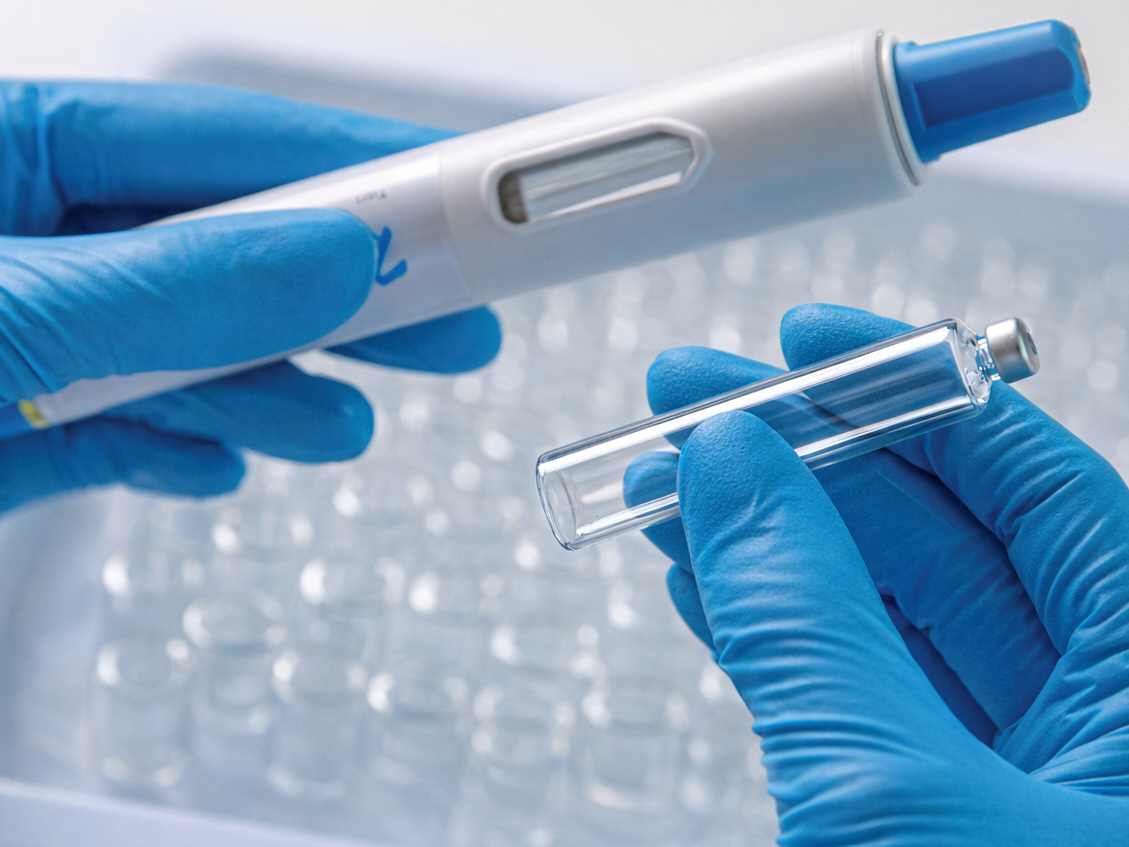
This shift explains why the concept of The One-Source CDMO for device-ready Biologics has become increasingly important across the pharmaceutical landscape. Rather than fragmenting responsibility across multiple organisations, a unified development and manufacturing partner integrates biologics process engineering, formulation science, container systems, and delivery devices into a single coherent execution framework. Such integration is not merely convenient; it often determines whether complex programs progress smoothly or become trapped in cycles of redesign and technical transfer.
Modern biologics place unique stress on manufacturing systems. Proteins may be sensitive to shear forces during filling, prone to aggregation at high concentrations, or incompatible with certain container materials. Delivery platforms—whether prefilled syringes, cartridge systems, or autoinjectors—introduce additional engineering considerations that must be addressed long before the first commercial batch is produced. Consequently, successful programs increasingly depend on development strategies where the molecule, the process, and the device evolve together.
A carefully designed One-Source CDMO for device-ready Biologics provides precisely this alignment. Within such a framework, upstream cell culture decisions inform downstream purification strategies. Formulation scientists anticipate the mechanical constraints of cartridge delivery systems. Fill-finish engineers design processes that preserve both sterility and protein stability. Regulatory documentation evolves in parallel with technical development, ensuring that manufacturing logic remains defensible under inspection.
This integrated philosophy reflects a broader change in how biologics are conceived. Historically, the molecule came first and manufacturing adapted later. Today the two must advance together. As biologic therapies become more valuable, more concentrated, and more dependent on specialised delivery systems, the industry increasingly recognises that successful programs begin with a structural principle: manufacturing must be designed as a unified system from the outset.
Within that context, The One-Source CDMO for device-ready Biologics represents not simply a service model but a strategic architecture for developing modern therapeutics.
The Changing Landscape of Injectable Biologics
Over the past two decades, injectable biologics have moved steadily from hospital infusion suites toward patient-centric delivery systems. A growing number of therapies now rely on subcutaneous administration, self-injection devices, and long-term treatment regimens. Patients managing autoimmune disease, metabolic disorders, and oncology therapies increasingly administer their own medications at home, often using autoinjectors or cartridge-based pen systems.
These developments have reshaped the technical demands placed on biologics manufacturing. Formulations that once flowed easily through infusion pumps must now remain stable at concentrations exceeding 100 mg/mL while passing through narrow gauge needles. Viscosity, aggregation risk, and shear sensitivity become critical parameters. Even subtle interactions between proteins and container surfaces can influence product performance.
In this environment, a One-Source CDMO for device-ready biologics offers a clear advantage. Because the development team understands the final delivery format from the earliest stages of process design, decisions regarding formulation buffers, stabilisers, and protein concentration can be optimised for the eventual device platform. Instead of discovering incompatibilities late in development, engineers anticipate them.
Consider monoclonal antibodies intended for chronic inflammatory diseases. Many such therapies now rely on autoinjectors designed for patient self-administration. These devices impose strict limits on viscosity and injection force. If upstream process development produces a formulation that exceeds those limits, developers may face extensive reformulation efforts. A unified development environment avoids this scenario by incorporating device constraints into early process design.
Furthermore, biologic medicines frequently represent substantial financial investments. Individual doses may cost hundreds or even thousands of pounds. High-value molecules demand delivery systems that minimise waste while maintaining precise dosing accuracy. Cartridge-based platforms and prefilled syringe systems increasingly dominate this space because they enable consistent dosing with minimal product loss.
In practice, integrating these considerations requires close collaboration between biologics engineers, device specialists, and regulatory strategists. Fragmented outsourcing models rarely provide that coordination. Conversely, The One-Source CDMO for device-ready biologics embeds this collaboration into the structure of development itself. The result is a manufacturing program that anticipates real-world delivery conditions rather than reacting to them.
As biologics continue to expand across therapeutic areas, this integrated approach is rapidly becoming the industry’s preferred development pathway.
Process Development as the Structural Backbone of Biologics
Every biologic therapy ultimately emerges from a sequence of process decisions. Cell line selection, fermentation strategy, purification design, and formulation architecture collectively determine whether a promising molecule can be manufactured reliably at scale. Process development therefore forms the structural backbone of any biologics program.
Within the framework of The One-Source CDMO for Device-Ready Biologics, process development takes on an even broader significance. Engineers must design production methods that not only yield high purity proteins but also support downstream formulation and delivery systems. In other words, manufacturability and usability must be engineered simultaneously.
Upstream development often begins with the optimisation of microbial or mammalian expression systems. Cell lines must balance productivity with genetic stability. High titres are desirable, yet excessive metabolic stress can compromise product quality. Careful optimisation of growth media, fermentation parameters, and feed strategies allows engineers to maintain both yield and structural integrity.
Downstream purification introduces additional complexity. Chromatography sequences must remove impurities while preserving the delicate structure of therapeutic proteins. Certain antibodies may exhibit sensitivity to pH changes or buffer conditions. Others may aggregate during concentration steps. Each of these factors influences not only the purity of the final drug substance but also its suitability for high-concentration formulations.
A robust process development strategy anticipates such interactions early. For example, purification buffers may be selected with an eye toward final formulation compatibility. Concentration steps might be optimised to minimise shear stress, protecting the protein’s tertiary structure. Analytical teams simultaneously develop methods capable of detecting subtle structural changes that could affect long-term stability.
When these disciplines operate within a unified organisational framework, communication becomes significantly more efficient. Scientists responsible for fermentation understand how downstream purification constraints influence cell culture design. Formulation chemists gain insight into the manufacturing environment that produced the molecule. Regulatory specialists document the process in a way that reflects this integrated logic.
This level of coordination exemplifies the value of The One-Source CDMO for device-ready biologics. Instead of treating development stages as separate technical exercises, the entire program evolves as a coherent system. Each decision reinforces the next, creating a manufacturing process capable of sustaining both regulatory scrutiny and commercial scale.
Optimising Biologics Processes for High-Concentration Therapies
High-concentration biologics represent one of the most demanding categories of modern pharmaceutical manufacturing. These formulations allow large therapeutic doses to be delivered through small injection volumes, enabling subcutaneous administration and self-injection devices. Yet increasing protein concentration introduces a range of physical and biochemical challenges.
Proteins tend to interact more frequently at elevated concentrations. Aggregation, viscosity increases, and structural instability become increasingly likely as concentration rises. Formulation scientists must therefore develop stabilisation strategies that preserve the molecule’s functional structure while maintaining acceptable injection properties. Achieving this balance often requires meticulous experimentation with buffers, excipients, and stabilising agents.
Process engineers play an equally critical role. Upstream production conditions can influence subtle structural attributes of proteins, including glycosylation patterns and folding dynamics. These features may determine how the molecule behaves during concentration and storage. Even minor variations in fermentation temperature or feed composition can have downstream consequences.
Here again the value of The One-Source CDMO for device-ready Biologics becomes evident. Integrated development teams ensure that upstream and downstream decisions align with the requirements of high-concentration formulations. Process optimisation is guided not solely by yield but by the broader goal of producing a molecule compatible with real-world delivery systems.
For example, engineers may adjust purification strategies to reduce aggregation-prone impurities that could destabilise concentrated formulations. Analytical laboratories monitor viscosity and stability profiles across multiple formulation conditions. Device specialists simultaneously evaluate how these formulations behave during injection simulations.
The resulting development pathway produces more than a stable protein. It produces a therapy designed for practical use. High-concentration biologics often represent life-saving treatments for chronic diseases; patients rely on consistent dosing and reliable delivery devices. By integrating process optimisation with formulation and device design,
The One-Source CDMO for device-ready Biologics ensures that complex molecules remain both manufacturable and usable.
Such alignment ultimately transforms manufacturing from a technical hurdle into a strategic advantage.
Container Systems for High-Value Biologics
Once a biologic molecule has been produced and stabilised, it must be stored and delivered through carefully engineered container systems. These systems perform more than a logistical function. They protect molecular integrity, maintain sterility, and ensure precise dosing throughout the product’s lifecycle.
High-value biologics demand particularly rigorous container design. Individual doses may represent significant economic value, and even minor product losses during filling or administration can carry substantial financial implications. Container closure systems must therefore minimise adsorption, prevent contamination, and support consistent dose delivery.
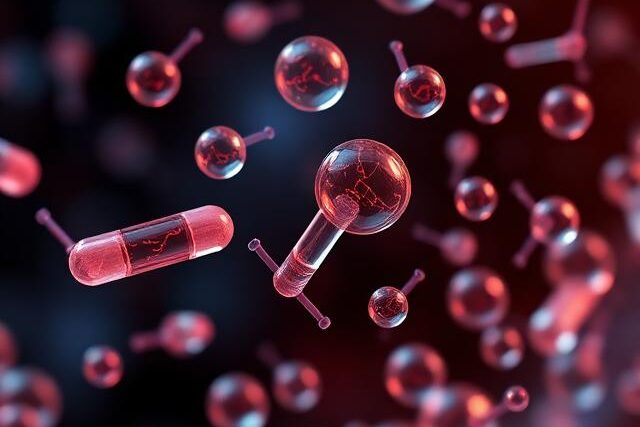
Glass vials remain a common storage format for biologic medicines, particularly during early clinical development. They offer chemical stability and compatibility with a wide range of formulations. However, vials require manual preparation before administration, which can introduce variability and increase handling complexity.
Prefilled syringe systems have become increasingly popular because they simplify dosing and reduce preparation steps. Nevertheless, syringe components—particularly silicone lubricants—may interact with protein formulations. Such interactions must be carefully evaluated during development to avoid aggregation or particle formation.
Cartridge-based systems introduce yet another layer of sophistication. These cylindrical containers are designed for integration with pen injectors and automated delivery devices. Cartridge systems enable precise dosing while reducing drug waste, making them particularly attractive for high-value biologics used in chronic disease management.
Within The One-Source CDMO for device-ready Biologics, container engineering is not treated as an afterthought. Instead, container selection occurs alongside formulation development and process optimisation. Engineers evaluate compatibility between the biologic molecule and potential container materials, analysing adsorption behaviour, extractables and leachables, and long-term stability profiles.
Such integrated design ensures that the chosen container system reinforces the broader manufacturing strategy. Fill-finish processes are developed with container geometry in mind. Device compatibility is assessed during early stability studies. Regulatory documentation reflects a coherent development narrative linking molecule, formulation, and container system.
Through this approach, the container becomes an integral component of the therapeutic system rather than a passive vessel. High-value biologics therefore reach patients within delivery platforms engineered to preserve their efficacy and reliability.
Cartridge Systems and the Rise of Self-Administered Biologics
The pharmaceutical industry is witnessing a steady transition from hospital-administered biologics toward therapies designed for patient self-administration. Chronic conditions such as rheumatoid arthritis, inflammatory bowel disease, metabolic disorders, and certain oncology treatments increasingly rely on biologic drugs delivered through pen injectors or automated devices. Cartridge-based container systems have become central to this transformation.
Cartridges are engineered cylindrical reservoirs that integrate directly with reusable injection pens or autoinjector platforms. Their design enables precise dosing, minimal product waste, and improved patient convenience. As biologics become more valuable and treatment regimens more frequent, these advantages carry significant clinical and economic importance. For developers and pharmaceutical sponsors, cartridge systems also represent a pathway toward differentiated therapeutic products that combine drug formulation with a user-friendly delivery platform.
However, cartridges introduce a range of engineering considerations that extend far beyond standard vial filling operations. Proteins flowing through narrow channels during injection may encounter shear stress capable of altering structural stability. Silicone lubrication inside cartridges, necessary for mechanical function, can interact with protein molecules. Even the internal geometry of cartridge systems may influence injection forces and dosing consistency.
These complexities explain why modern developers increasingly seek The One-Source CDMO for device-ready biologics when designing therapies intended for cartridge-based delivery. In such an environment, formulation scientists collaborate directly with device engineers, evaluating how biologic solutions behave during injection simulations. Analytical laboratories monitor aggregation, viscosity changes, and structural integrity under conditions that mimic real patient use.
This integrated approach ensures that biologic molecules are not merely stable inside laboratory containers but remain robust within the mechanical realities of delivery devices. A therapy intended for self-injection must function flawlessly in the patient’s hands, often outside controlled clinical environments. Cartridges therefore become part of a larger therapeutic ecosystem where formulation chemistry, container design, and device mechanics intersect.
Within The One-Source CDMO for device-ready biologics, cartridge compatibility becomes an early design constraint rather than a late development challenge. By integrating device considerations into the manufacturing process from the outset, development teams create biologic products capable of delivering both therapeutic efficacy and patient usability.
Why Fragmented CDMO Models Struggle With Modern Biologics
Despite advances in biologic science, many development programs continue to rely on fragmented outsourcing structures. A sponsor may begin with one organisation responsible for cell line development and early process optimisation. Another partner performs formulation studies. A separate facility conducts fill-finish manufacturing, while device integration occurs elsewhere entirely. Each vendor contributes technical expertise, yet the overall system remains divided.
At first glance this arrangement appears efficient. Specialised partners offer focused capabilities, and sponsors retain flexibility when selecting service providers. However, complex biologics rarely behave as isolated components. Decisions made in early fermentation stages influence purification yields. Formulation choices affect device compatibility. Container systems shape fill-finish requirements. When these interdependencies are managed across multiple organisations, communication barriers inevitably arise.
A protein formulated for stability within laboratory vials may behave differently once introduced into syringe or cartridge systems. A purification strategy optimised for yield may inadvertently increase aggregation risk during storage. Each discovery triggers further redesign, often requiring additional analytical work and repeated technology transfers between vendors.
Regulatory considerations further complicate this landscape. Authorities expect consistent documentation describing the logic behind process development, formulation selection, and container systems. When development activities occur across several independent organisations, maintaining coherent regulatory narratives becomes challenging. Disparate data formats, varying quality frameworks, and inconsistent documentation practices can introduce delays during regulatory review.
These challenges illustrate why the industry increasingly values The One-Source CDMO for device-ready biologics. By consolidating expertise within a single organisational framework, development teams eliminate many of the coordination barriers that slow complex programs. Scientists responsible for fermentation communicate directly with formulation chemists. Device specialists collaborate with fill-finish engineers during container selection. Quality systems remain consistent across the entire manufacturing lifecycle.
Such alignment does not eliminate complexity; biologics remain intricate therapeutic systems. Yet a unified development structure transforms complexity into a manageable engineering challenge rather than an administrative obstacle. The resulting programs advance with greater clarity, reducing the risk of late-stage redesign and regulatory uncertainty.
For sponsors navigating increasingly competitive therapeutic markets, this efficiency carries tangible strategic value.
Integration: The Operational Logic of the One-Source CDMO
To understand the significance of The One-Source CDMO for Device-Ready Biologics, it is useful to examine how integration functions in practice. Within such an environment, development activities unfold not as isolated technical steps but as coordinated components of a larger manufacturing architecture.
The process often begins with cell line engineering and upstream fermentation development. Scientists evaluate expression systems capable of producing high yields while preserving protein stability. Analytical teams characterise molecular attributes including glycosylation patterns, aggregation tendencies, and structural conformation. This information informs downstream purification strategies, ensuring that the resulting drug substance maintains both purity and functional integrity.
Formulation development follows closely, informed by knowledge of the intended delivery format. A biologic destined for autoinjector delivery must exhibit viscosity profiles compatible with injection mechanics. Buffer systems are selected to maintain stability while supporting long-term storage within container systems. Excipients may be introduced to protect the protein during mechanical stress encountered during injection.
Simultaneously, device engineers evaluate container systems capable of delivering the therapy reliably. Prefilled syringes, cartridge platforms, and autoinjector assemblies each impose specific mechanical constraints. Fill-finish teams design aseptic manufacturing processes that accommodate these container geometries while preserving sterility assurance.
Quality and regulatory specialists operate alongside these technical teams. Documentation evolves as part of the development process rather than appearing as a retrospective exercise. Analytical methods are validated with regulatory expectations in mind. Stability studies generate data supporting both clinical development and eventual commercial supply.
Each development stage here informs the next. Knowledge accumulates within a single organisation, allowing teams to respond quickly to emerging challenges.
The result is a biologic product whose manufacturing logic remains coherent from the first laboratory experiment to full-scale commercial production.
Device-Ready Biologics and the Economics of High-Value Therapies
Modern biologics frequently represent some of the most valuable medicines produced within the pharmaceutical industry. Monoclonal antibodies, enzyme replacement therapies, and immune-modulating proteins can command significant market value due to their complexity and clinical impact. Consequently, the delivery systems associated with these therapies must maintain exceptional reliability.
High-value biologics are often administered repeatedly over long treatment cycles. Patients may rely on these therapies for years, making convenience and dosing accuracy essential. Self-injection devices such as autoinjectors and cartridge-based pens have therefore become central components of many biologic treatment strategies.
From a manufacturing perspective, these delivery platforms introduce both opportunity and responsibility. A well-designed device system can differentiate a therapy within competitive markets by improving patient adherence and usability. Conversely, poorly integrated delivery systems can undermine even the most promising biologic molecules.
Within The One-Source CDMO for device-ready Biologics, developers address these considerations holistically. Process optimisation ensures that biologic molecules remain stable at concentrations suitable for self-administration. Container systems minimise product loss during filling and injection. Device compatibility testing confirms that dosing accuracy remains consistent across the therapy’s lifecycle.
These integrated strategies ultimately protect both therapeutic efficacy and economic value. Every step of manufacturing—from fermentation through fill-finish—contributes to a system designed to deliver expensive molecules with precision. Sponsors benefit from reduced development risk, while patients receive therapies engineered for reliability.
In an era where biologics continue to expand across therapeutic categories, such integration becomes increasingly important. The success of high-value therapies depends not only on molecular design but also on the infrastructure that brings them safely to patients.
Regulatory Confidence Through Integrated Manufacturing
Regulatory oversight remains one of the most significant influences on biologics manufacturing. Authorities responsible for approving new therapies expect detailed documentation describing how products are developed, produced, and controlled. These expectations extend across the entire manufacturing lifecycle—from early process development to commercial supply.
Fragmented outsourcing structures can complicate this process. When multiple vendors participate in development, regulatory submissions must reconcile data produced across different quality systems. Variations in documentation practices may introduce inconsistencies that regulators must evaluate carefully. Each additional interface between organisations increases the potential for misalignment.
By contrast, The One-Source CDMO for device-ready biologics offers a development environment where regulatory logic evolves alongside technical progress. Data integrity frameworks remain consistent throughout the program. Analytical methods are designed with regulatory expectations in mind from the earliest stages of development. Documentation reflects a coherent narrative linking process design, formulation decisions, container selection, and device integration.
Continuous collaboration between technical teams and regulatory specialists ensures that manufacturing strategies remain defensible under inspection. When regulators evaluate a biologics program developed within an integrated system, they encounter a structured body of evidence demonstrating how each component of the therapy was engineered.
This clarity often accelerates regulatory review while reducing the likelihood of unexpected questions or remediation requests. For sponsors operating within competitive therapeutic markets, such predictability represents a substantial advantage.
Ultimately, regulatory success depends on demonstrating control over the manufacturing process.
Looking Ahead: The Future of Device-Ready Biologics
Biologic medicines continue to evolve rapidly. Advances in protein engineering, gene expression systems, and fermentation technologies have expanded the range of diseases treatable through biologic therapies. At the same time, patient expectations increasingly favour convenient delivery systems that support self-administration and long-term adherence.
These trends suggest that the integration of molecule, manufacturing process, container system, and delivery device will only grow more important. Therapies emerging from today’s research pipelines often require sophisticated engineering across multiple disciplines. Successful programs will depend on development environments capable of coordinating these disciplines within a unified framework.
This reality reinforces the value of a single source CDMO for device-ready biologics. As biologics become more concentrated and delivery platforms more advanced, the distance between molecular science and manufacturing engineering continues to shrink. Developers must design therapeutic systems capable of functioning reliably across clinical trials, regulatory review, and global commercial distribution.
Integrated CDMO models offer a pathway toward that objective. By aligning process development, formulation science, device engineering, and regulatory strategy, these organisations create development ecosystems capable of supporting increasingly complex therapies.
For pharmaceutical innovators, the choice of development partner therefore becomes a strategic decision rather than a logistical one. The right manufacturing environment can accelerate programs, reduce technical risk, and ensure that therapies reach patients with their intended performance intact.
Order, Integration, and the Modern Biologic
Modern biologic medicines are some of the most impressive breakthroughs in science today. But the molecule itself is only part of the story. Behind every successful biologic therapy is a highly engineered manufacturing system designed to keep the protein stable, sterile, and deliverable through precision devices that patients and clinicians can rely on.
That’s why the idea of a single-source CDMO for device-ready biologics has become so important in modern drug development. Instead of splitting development across multiple vendors, everything is designed as one integrated system. Process development, formulation science, container selection, and device integration all move forward together under a single technical strategy.
When those pieces work in sync, everyone benefits. Drug developers get programs that move more smoothly through development and regulatory review. Manufacturing teams operate within a clear, consistent framework. And most importantly, patients receive biologic therapies that are not only effective, but also reliable and easy to administer.
In biotech, structure isn’t just a nice idea—it’s essential. When manufacturing systems are designed with clarity and discipline from the start, the results tend to be far more consistent and dependable.
ಕ್ರಮವೇ ಮೂಲ — Order is the source.